• Bespoke Pavement Channels for a Private Residence

    At J&JW Longbottom, we combine traditional foundry skills with practical engineering to create cast iron solutions that stand the test of time. Our recent commission for a private residence is a perfect example of how bespoke drainage solutions can deliver both function and elegance in everyday infrastructure. 

    What Are Cast Iron Pavement Channels? 

    Pavement channels, sometimes known as kerb drains or channel gratings, are a vital part of surface water management. Installed along the edge of pathways, courtyards, and driveways, they collect and direct rainwater away from paved areas and buildings, helping to prevent pooling, flooding, and long-term water damage. 

    Traditionally made from cast iron, these channels offer durability, strength, and a heritage aesthetic. Unlike modern plastic alternatives, cast iron pavement channels complement period properties, public spaces, and conservation projects, maintaining the authentic look of traditional street architecture while providing reliable performance for decades. 

    A Custom Solution for a Private Home 

    Our client required a cast iron pavement channel longer than our standard size. To achieve the desired length, we produced two equal-length sections designed to join neatly at the centre of the run, ensuring a precise, symmetrical finish. 

    Engineered for Efficient Drainage 

    Each channel was fitted with cast iron grating on top to allow water to flow easily into the system. We also incorporated an outlet at the base of one section, enabling connection to the property’s underground drainage system. Both pieces were cast with solid ends to form a fully enclosed channel – a robust, low-maintenance solution for the client’s paved area. 

    Attention to Detail 

    The gratings were secured with brass screws, offering excellent corrosion resistance and allowing for easy removal during routine maintenance or cleaning. The finished result is both robust yet refined, perfectly suited to a traditional property while providing modern performance. These small touches reflect our commitment to quality, functionality, and longevity. 

  • Shoe Fittings

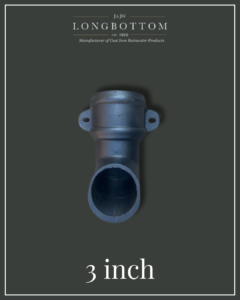
    A shoe is the perfect accessory for the foot of a downpipe. If the pipe doesn’t run directly into an underground drainage system, fitting a shoe will channel the rainwater into a drain or gully and away from your property, minimising damage to the foundations, exterior and surrounding areas.

    At J&JW Longbottom there’s no such thing as one size fits all, in fact we offer the widest range of shoe sizes in the industry! It’s important the shoe fits the downpipe’s diameter securely to ensure a watertight connection. Our shoes are available in a range of sizes, from 2″ (51mm) to fit the smallest downpipe, up  to 6″ (150mm) to fit the largest.

    As well as serving an important, practical purpose, cast iron shoes add a classic, timeless style by enhancing the architectural character of a property. Resistant to corrosion, as with all our cast iron range, the shoes are easy to maintain, requiring only occasional cleaning and repainting.

    As well as a choice of sizes, cast iron shoe fittings are available in standard or anti-splash, with round, square or rectangular options.

    For more information, please get in touch: 01484 682141

    .

  • Ornamental Castings

    Rainwater goods and ornamental designs have a rich history, evolving over centuries since the Romans first brought water management to Britain. The first documented rainwater installation dates back to 1241 when the Tower of London had a gutter fitted to protect its freshly whitewashed walls. Until the late 18th century, the installation of rainwater systems, gutters, and pipes was reserved for high-status residences and ecclesiastical buildings. 

    Over time, rainwater systems have been made of many materials, including lead, zinc, and copper. During the industrial revolution, advancements in the production of economical and versatile iron casting meant other materials fell out of favour and cast-iron rainwater systems were widely adopted.  

    Cast iron’s strength and versatility allowed for the development of particularly ornate patterns and designs, contributing to the external character of a property. Decorative cresting, barley twists, highly ornate hopper heads and embossed motifs became commonplace. The level of embellishment varied depending on the type of house, with simpler designs used on smaller buildings. In many cases, the rainwater goods were designed to complement other decorative features of the building, such as wrought iron railings, gates, or window grills, creating a harmonious look across the property. 

    Decorative features like hopper heads, also known as rainwater heads, can really make an impact, especially when accompanied by other ornate castings like decorative ear bands which hold pipes to a wall. Cast iron hopper heads often provide an indication of a building’s age and are especially important to the architectural value of a property. During the Victorian and Edwardian eras, they were commonly used to put a stamp on a property by displaying either a date, coat of arms, an emblem or initials in imitation of the lead hopper heads that preceded them.  

    At time of the Industrial Revolution, the great foundries were able to offer a vast range of decorative patterns; sadly, many of these foundries are no longer around today. In 1992, Sloan & Davidson in Leeds closed after a century of making cast iron castings. We acquired their impressive pattern range, meaning their historic designs can still be used and we can offer matches for most existing rainwater castings without the need for a new pattern. We can replicate almost anything and hold the widest range of casting patterns in the industry, regularly making hopper heads, motifs, gutters and pipes to match customer requirements. 

    Each piece of cast iron is carefully crafted using traditional methods, including sandcasting, at the foundry. Detailed ornamental designs can be achieved through moulding and casting techniques that allow for intricate details to be captured including scrollwork, floral patterns, and geometric shapes. 

    Many rainwater drainage castings and gutters do not need to be replaced but can be repaired using traditional methods. Our expert engineers can diagnose and repair these types of issues, replacing a missing piece of casting or welding a new section. We can also replace ornate pieces by taking a cast of the design and replicating it through our professional and robust service. 

    Today cast-iron rainwater goods offer a solid alternative to modern rainwater systems. A cast iron rainwater pipe is one of the most recognisable features of a period property and is often specified by planners and architects to maintain and enhance the traditional appearance of historic buildings. Decorative gutters and pipes are highly valued for their historical and architectural significance, as they represent a time when even practical items like rainwater goods were subject to artistic flair. It’s not just about looks, cast iron is strong, durable and resistant to the elements, keeping property safe from rainwater and the ravages of weather. 

    Hopper heads have an important function to increase the flow of water during heavy rainfall, but they also offer the opportunity to enhance your property in a variety of ways. With so many designs to choose from, over 150 in fact, if you send us an image of an existing one, we will probably have the pattern. Other ways to embellish with cast iron include adding motifs, letters, and numbers to rainwater heads; our designs include leaves, flowers, diamonds, and lion heads. Our range also includes ornamental grating, air bricks, earbands and pipe fittings, available in an assortment of patterns.

    For inspiration, please see our catalogue or contact us for more information.


  • Tower of London – The King’s Cypher

    Having previously worked on several projects for the Tower of London, the Longbottom team were delighted to be asked by Historic Royal Palaces to supply new hopper heads with the King’s cypher to top the drainpipes on this historic building.  

    A royal cypher is the sovereign’s monogram, consisting of the monarch’s initials and title; in this case, Rex, Latin for King, alongside a representation of the crown. HRH King Charles, selected the cypher from a series of designs created by the ancient College of Arms, founded in 1484. The cypher appears on government buildings, state documents and post boxes. Replacing the cyphers of Queen Elizabeth II with those of the new King will be a phased and gradual process. 

    We were sent a drawing of the new cypher and needed to create a motif to fit onto a hopper head, a No. 42. First, we had to scale the drawing to a size appropriate for the front of the hopper and agree on a font to use for the numbers making up the year of installation, 2024.  

    Once the design layout was approved, we had the tricky process of working out how to make the cypher fit seamlessly onto the hopper head. We often create motifs like this in cast iron, then fit them to the heads. In this case, because of the design, the cypher would have been mounted onto a thin plate and fitted to the hopper, raised up in an unsightly way.  

    Fortunately, we had a spare pattern for the No.42 and were able to modify the design so that the motif was cast directly onto the front as the head is moulded, giving a very neat result. 

    The hopper heads were primed and then sent to the contractor for final painting, with an application of gold paint to create a very regal finish. 

  • SPAB Magazine, Water and Historic Buildings

    In recent years we have experienced unprecedented levels of rainfall and, as a result, some rainwater systems are struggling to discharge water at the required rate, leading to overflow from the gutters. This can cause considerable damage to a property, not least damp and decay.

    MD, Simon Gudgeon, has written a feature for the latest edition of SPAB (Society for Protection of Ancient Buildings) magazine about protecting and adapting period properties to meet the challenges of 21st century rainfall.

    Simon offers some useful advice on practical solutions to enable a rainwater system to cope with greater levels of rainfall.

    You can read the full article here: https://issuu.com/spab1877/docs/winter_2024?ff

  • The Enduring Quality of Cast Iron Rainwater Goods

    J&JW Longbottom have been producing cast iron rainwater goods for over a hundred years at our traditional foundry in West Yorkshire, including gutters, pipes, hopper heads, drain covers and airbricks. The company places immense value on the quality of our goods and the service provided. 

    Visitors to our works in the historic town of Holmfirth will see the foundry working today as it was one hundred years ago, with a few nods to modern methods that improve quality and sustainability. As well as standing the test of time, cast iron rainwater goods conserve and enhance the traditional appearance of buildings and communities where other materials would look out of place.  

    Quality Build 

    The rainwater goods are moulded by hand, with close attention to detail, ensuring everything we create is to the highest quality and standards. Using traditional sand-casting techniques and pattern methods, the rainwater systems are built to last and withstand extreme weather conditions. 

    Sustainability 

    Cast iron has a lower environmental impact than other metals as it needs minimal processing to create the finished product and is incredibly sustainable. Most of the raw material we use is recycled from scrap, failed castings and surplus offcuts; cast iron products can be continually recycled for future use to further diminish the risk of damage to our climate. We now use an electric induction furnace to heat the metal, which offers many environmental benefits from using a traditional coke-fired furnace, generating less dust, fumes and Co2 emissions. 

    Period Aesthetic 

    A cast iron rainwater pipe is one of the most recognisable features of a period property and is often specified by planners and architects to keep the traditional appearance of historic and listed buildings during renovations. Hopper heads, gutters and airbricks are often used to enhance a property with their ornamental appearance and we have so many designs to choose from, whether that’s to match an existing pattern or to create a bespoke design. We acquired Sloan & Davidson’s impressive pattern range when they closed, meaning their historic designs can still be used and we can offer matches for most existing rainwater castings without the need for a new pattern. 

    Durability 

    It’s not just about looks, cast iron is strong and durable and will keep buildings safe from rainwater for many years to come. Cast iron has been the material of choice for guttering systems since Victorian times, preferred to other materials for its longevity, reducing the risk of repair or replacement in the long term. As we look to the future and witness the changing weather patterns and challenges this brings, cast iron rainwater goods have even more to offer in terms of protecting our homes from the ravages of weather. 

  • Promote Sustainability in Your Garden Using Our Rainwater Diverter Kit

    It’s hard to imagine water shortages after all the rain we’ve had so far this year, but it’s still important to conserve water. Out of all the water on the planet, there is less than 1% accessible fresh water for us to use. Population growth, climate change and rising water use for industry, all impact water availability. If we don’t take efficient action now, the UK could be hit by water shortages in 2050.*  

    A rainwater diverter is an excellent way to conserve and harvest water to use during the drier, summer months, reducing water bills whilst helping the environment. 

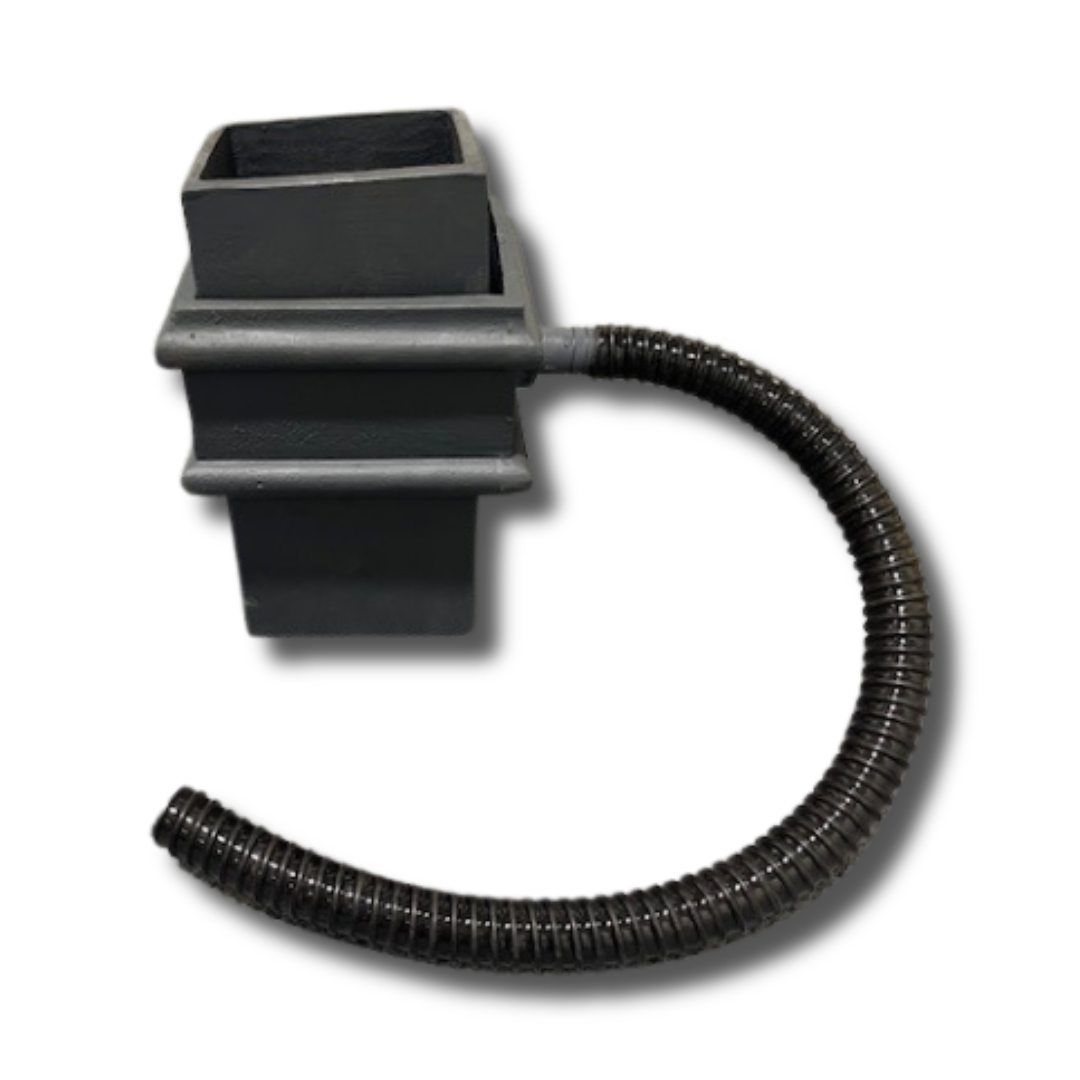
    A diverter attaches to the downpipe that takes rainwater from the roofline guttering, channelling water from the drainage system down a flexible pipe to a storage tank or water butt. Our diverter kit allows approximately 50% of the water go into the butt with the rest going down to the ground drainage system. With careful installation, when the water butt is full,  excess water will flow back up the flexible pipe, down the rainwater pipe and into the drain.  

    We offer this product for all sizes of round pipe and a rectangular option which will fit any of our standard square or rectangular pipes. Contact us to find out more. 

    *Source, Waterwise 

  • History of Holmfirth

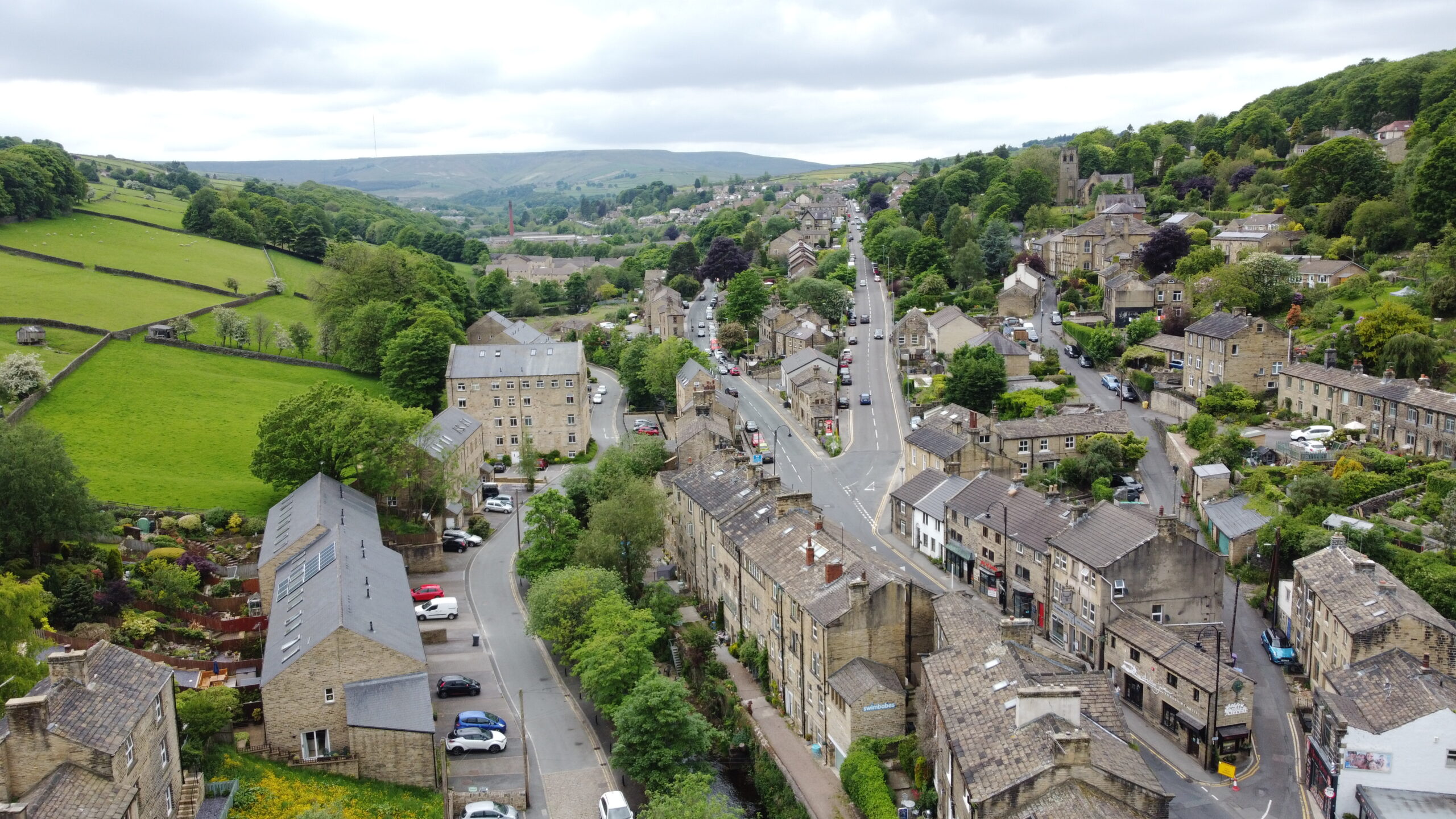
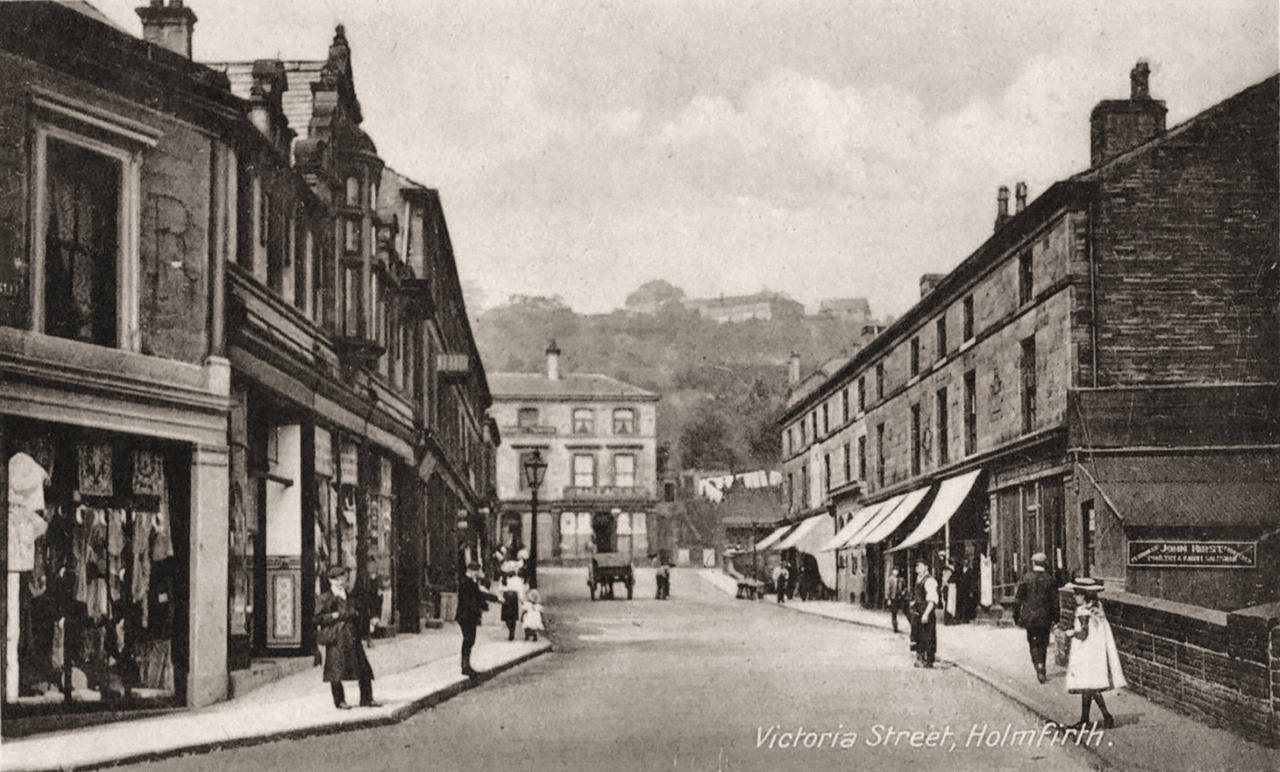
    Established in the 1870s, J & JW Longbottom is proud to be based in the heart of West Yorkshire at Bridge Foundry in the historic town of Holmfirth. Situated at the confluence of the Rivers Holme and Ribble, the town consists of stone-built weavers’ cottages built on the eastern slope of the Pennine Hills, with charming, cobbled streets and alleyways.  

    Holmfirth can trace its origins back over the past two thousand years. Stone age settlers, Romans, Anglo Saxons and Danes all left their mark, mostly living peacefully and farming the land. During Saxon and Medieval times, the Lords of Wakefield used this forested land for hunting. The name Holmfirth comes from Anglo Saxon, with holm an abbreviation of ‘hollin,’ a place with holly, and firth, an open area in forest or woodland.  

    The town grew around an ancient route bringing salt from Cheshire into the West Riding and started with a corn mill and bridge in the 13th century, with the church dated around 1470. Three hundred years later, it was transformed from a small rural village in the Holme Valley, into a thriving mill town of the Industrial Revolution, as well as a substantial producer of stone and slates from the surrounding quarries. The flourishing cloth industry produced and processed woollen yarns and cotton, from spinning and dyeing to weaving and finishing. Right up until the 20th Century, the textile industry was the main local employer and the area known as, “The town busy with wool.”  

    Prosperity increased as the mills grew, with workers arriving from Ireland and Europe. In 1850 the steam train reached Holmfirth, thanks to the Lancashire and Yorkshire Railway, sadly closing in the mid-1960s after the Beeching cuts. The Bilberry reservoir, built in the 1840s, supplied water to the mills in the Holme Valley to turn the heavy water wheels powering the mills. The water that brought prosperity also brought destruction and tragedy; in 1852 heavy rain caused the reservoir to burst its banks, sending a torrent of water onto Holmfirth with extensive loss of life and damage to infrastructure.  

    Today the mills are silent and whilst many were lost to fire, flooding, or pulled down to make way for new homes, some have survived and been converted into residential housing, shops and cafes. Holmfirth is still a thriving town, popular with tourists who visit the area now famous for music and the arts, as well as walkers, drawn to the rugged moorland scenery and proximity to the Peak District National Park.  

    A haven for artists and makers, galleries and studios offer metal work, felting, ceramics, sculpture and paintings for sale. The original Holme Valley theatre and cinema has been restored back to its 1912 glory and is home to live music, film, theatre and comedy shows. The Holmfirth calendar is filled with festivals from literature, art, film and music (folk, brass and contemporary) to food, drink and agriculture. The National Pennine Cycleway route runs through the centre of town and in 2014, Le Tour de France passed through on its Grand Depart. 

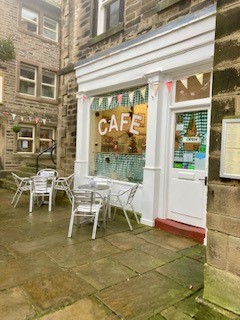
    Of course, Holmfirth is probably most famous for the BBC comedy classic, Last of the Summer Wine, filmed from 1973 to 2010, 31 series chronicling the lives of three old friends in the autumn of their lives, eventually becoming the longest running sit-com in the world. Sid’s Café, often featured in the show, is still open, along with many other cafes, bistros, restaurants and historic pubs offering an array of gastronomic delights.  

    Did you know Holmfirth was the centre of early film making before Hollywood even existed? James Bamforth, a local portrait photographer, started making magic lantern slides in 1883, progressing to monochrome films telling stories on a big screen through a series of photographs, with Holmfirth and some of its residents, featuring in the first silent movies shown all over the world. Bamforth was recognised as one of the early pioneers of filmmaking, but a move to producing cheeky, comic postcards in 1910 proved more lucrative, and his film career was put to one side. Bamforth Postcards was printing over 20 million cards by 1918, eventually becoming the world’s largest producer of postcards and is still in print today.  

    High up on the hills above the town is Holmfirth Vineyard, covering seven acres and offering panoramic views over the Holme Valley. The vineyard produces award-winning English wines, from fruity reds to aromatic whites, and offers guided tours and wine tasting. Longley Farm, the first dairy in Europe to make cottage cheese on a commercial scale, is still privately owned and based in Holmfirth.  

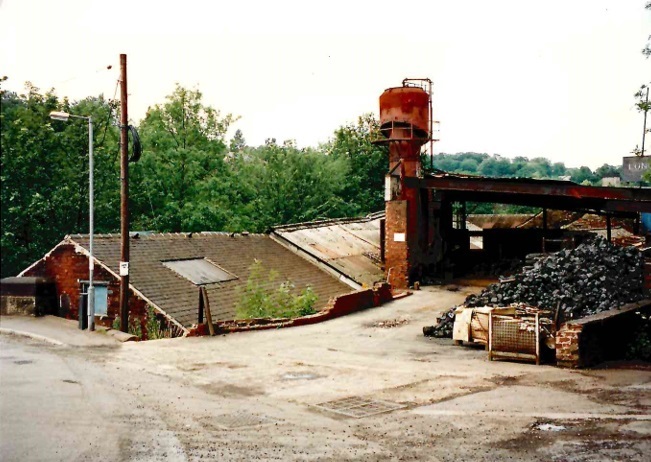
    We are fortunate to live and work in this wonderful corner of ‘God’s own country.’ J & JW Longbottom has been trading from the same foundry since the 1870s. Formed as a partnership between local brothers, Joe and Joshua Woodhead Longbottom, the company produced rainwater goods, expanding to meet the increasing demand for other cast ironware like lampposts and heavy grates. Production continues following the same traditional methods, enhanced where appropriate by modern materials and practices. 

  • Cast Iron Wall Plates

    Sometimes the walls of old buildings require structural repair and support as they become unstable over time. Wall plates, also known as bar plates or pattress plates, offer the ideal solution as they can secure walls without being detrimental to their appearance and, in many cases, can actually enhance a period property. 

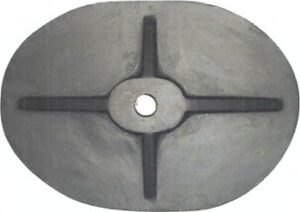
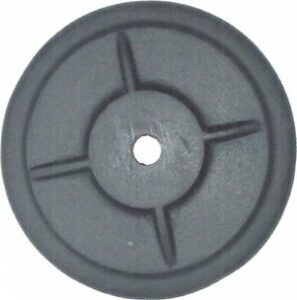
    Made from cast iron, our wall plates combine strength and functionality with period style. We offer a choice of designs, circular or oval, 1″ thick with a central hole to fix the tie rods. We also offer an elegant design with a rose option at the centre. 

    Find out more in our online catalogue.